
Welcome to UBIYA DERMA
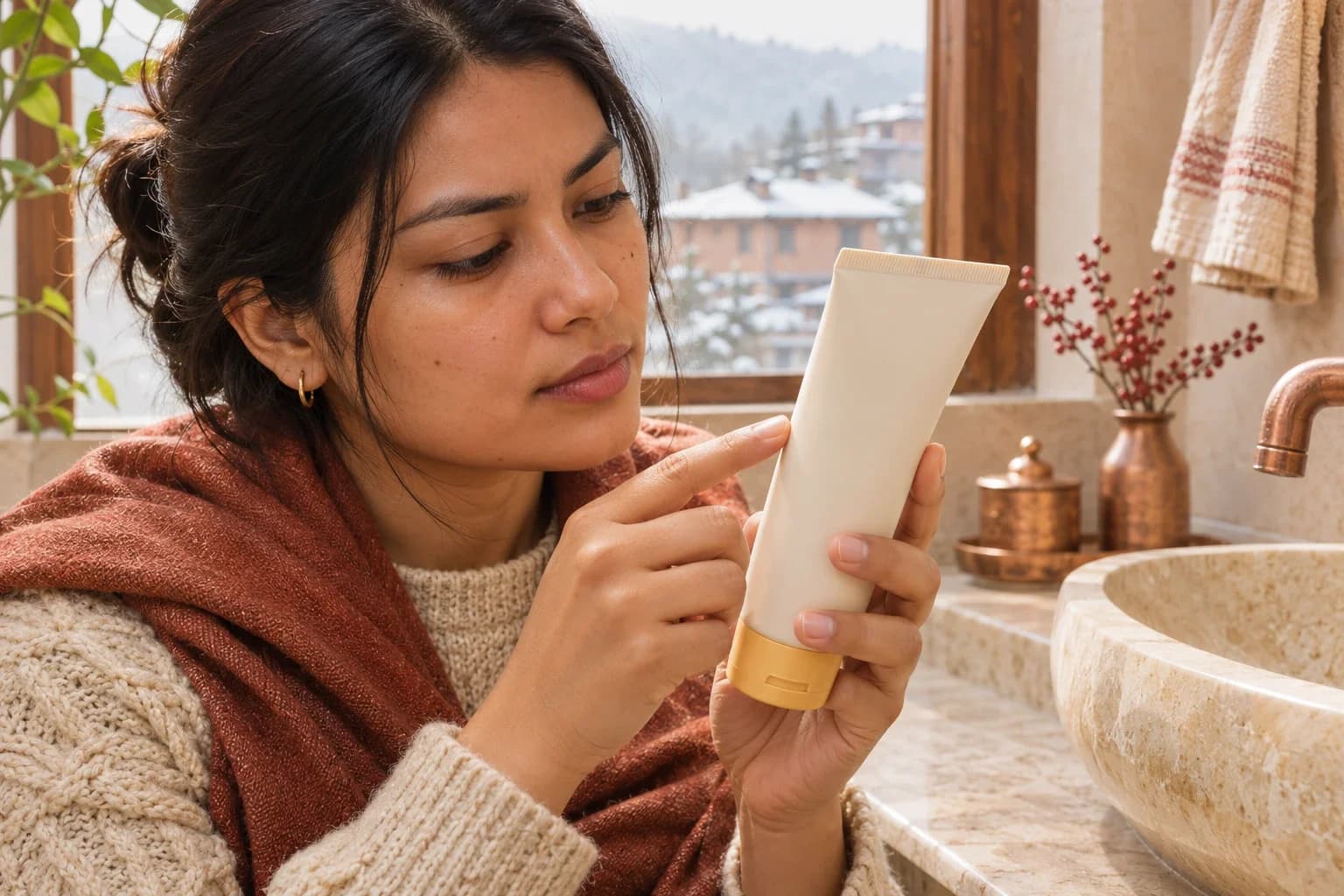
Check three separate things before choosing sunscreen: the SPF number, the description of UVA and UVB protection, and the directions for water exposure and reapplication. A high SPF is not a promise of all-day wear. A pleasant finish is useful, but it cannot establish protection by itself.
For a Nepal shopper comparing imported and local packs, the useful habit is to read the actual container rather than relying only on a marketplace headline. Different markets use different label conventions. If the box, tube and online listing disagree, ask the seller for clarification before treating the strongest claim as correct.
A walk to the office, several outdoor sales visits and an afternoon of sport create different practical demands. Write down whether you will be outdoors, sweating or able to reapply. This small planning step helps you check the directions that matter instead of choosing by the largest number on the front.
The American Academy of Dermatology recommends broad-spectrum sunscreen with SPF 30 or higher and water resistance. Treat sunscreen as one part of protection alongside shade and clothing. Its recommendation is general guidance; it is not an endorsement of an individual brand or a test result for a particular Ubiya formula. [1]
SPF describes protection against sunburn under standardized testing, principally involving UVB. It does not tell you how many hours you can spend outside without reapplying. Reading SPF 50 as permission to ignore the rest of the directions misses how sunscreen is actually used. [1,2]
When comparing two products, keep a separate line for SPF in your notes. Do not combine it with the product’s finish, price or fragrance into a single idea of strength. A product may feel elegant on the skin while its directions still require careful application and renewal.
For example, a shopper might prefer a matte texture for a workday. That preference can help them choose a usable formula, but the next step remains reading the protection information. Texture answers a comfort question. The tested label answers a protection question. Neither should silently stand in for the other.
Broad spectrum refers to protection covering UVA and UVB. If the pack uses other UVA markings, do not invent an exact conversion from those markings to SPF. Read the manufacturer’s explanation and ask for supporting information when the protection description is unclear. [1]
For an imported product, photograph the front, back and outer carton. Check whether the online shop is describing the same product and pack size. This is particularly useful when a familiar name appears with several similar variants. A previous purchase is not enough to establish that the current pack has identical claims.
FDA sunscreen-label rules describe products marketed in the United States. They help explain familiar English terms, but they do not establish a product’s approval or compliance in Nepal. A blog should keep that distinction visible rather than using an American source as a local certification. [2]
Under the US labeling system, water resistance is stated as 40 or 80 minutes of swimming or sweating. Neither term means waterproof. Read the actual directions for reapplication after water exposure, sweating and towel drying. [2,3]
Do not infer water resistance from a silicone feel, a gel texture or the words outdoor and sports. If you expect a sweaty field day, look specifically for clear water-resistance instructions. If the listing says water resistant but gives no supporting details, ask the brand rather than filling in a duration yourself.
An ordinary office day may still include outdoor time. The point of checking water resistance is to match the product’s directions to what you will do, not to assume that every person needs the same routine in every situation.
For each product you are considering, record:
Identity: exact product name, variant, pack size and seller.
Protection: SPF and the exact UVA/UVB wording on the current container.
Wear conditions: water-resistance wording, if present, and its directions.
Use instructions: when to apply, when to reapply and any relevant warnings.
Condition: expiry date, readable batch details and an intact container.
Leave an entry marked unknown if the information is missing. This is more useful than awarding a product an imagined advantage. It also gives the seller a clear question to answer: “Can you confirm the current tube’s UVA information?” is easier to resolve than “Is this the best sunscreen?”
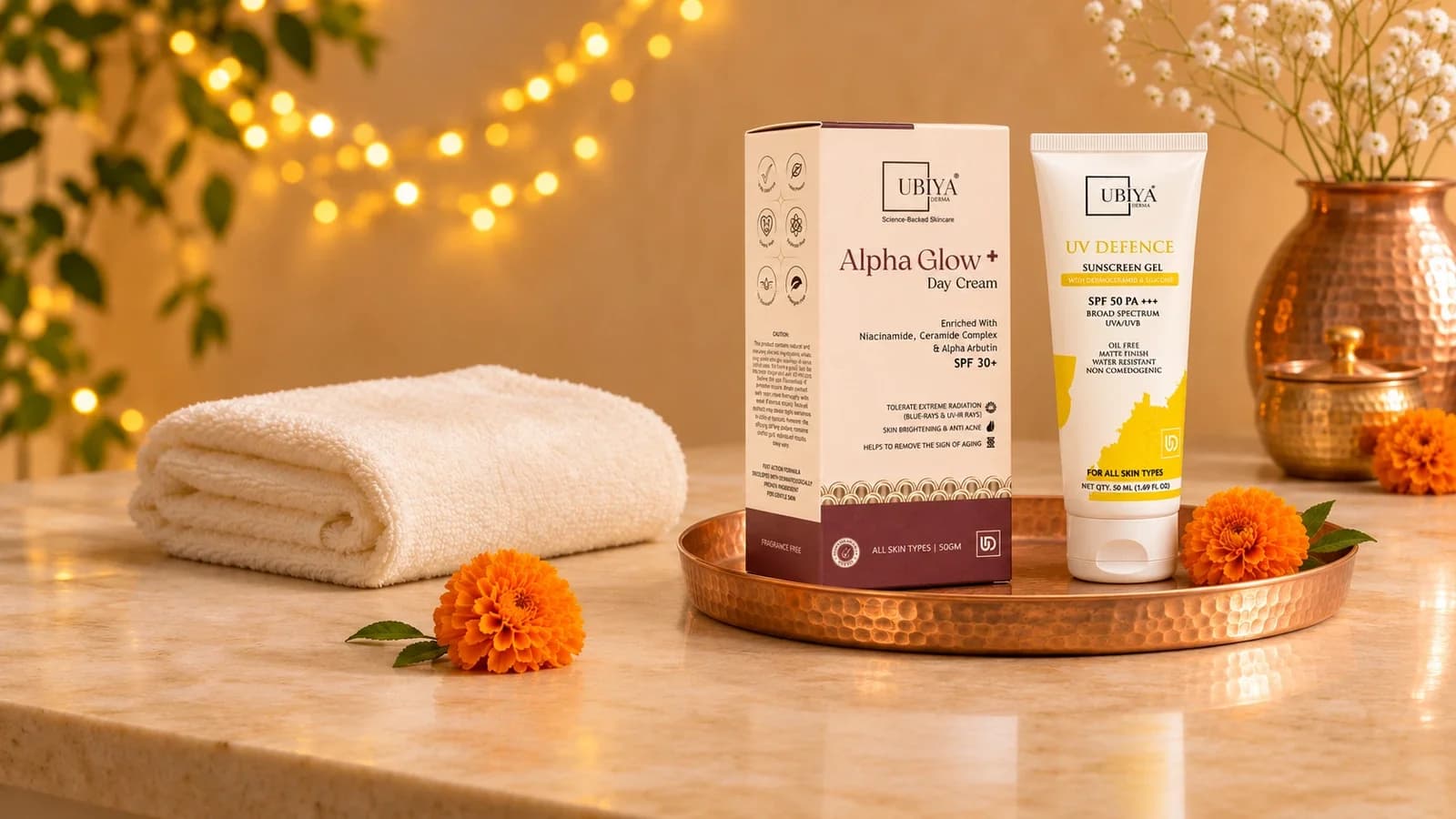
Ubiya’s current website lists both a UV Defence Sunscreen Gel and a UV Defence Creamy Lotion Sunscreen. Use those pages to identify the variants, then compare the current physical pack and its instructions. [4,5]
This article does not assign either product a verified PA grade or a water-resistance duration. Product-specific test documents were not available for this draft. Where a listing and approved packaging differ, clarification should come before a stronger claim is added to the article.
Ask yourself whether you can read the directions, whether the exact variant is clear, and whether the product fits the conditions in which you will use it. Keep a photograph of the label with your comparison note. The next purchase then becomes a check against a known pack rather than a fresh guess based on advertising.
If a seller cannot explain a conflicting claim, it is reasonable to wait for a clear answer. Paying more does not remove the need for readable instructions, and an attractive carton does not replace them.
No. Follow the product’s instructions. General guidance includes reapplying at least every two hours outdoors and following the label after swimming or sweating. [2,3]
The texture name alone cannot establish that. Compare the verified protection information and directions separately from how the formula feels.
Keep photographs and ask the brand to identify the correct current information. Do not automatically choose the larger number or stronger wording.
No. US guidance explains US labeling requirements. It does not certify every sunscreen sold in Nepal. [2]
American Academy of Dermatology, sunscreen labels: https://www.aad.org/public/everyday-care/sun-protection/shade-clothing-sunscreen/understand-sunscreen-labels
FDA, sunscreen questions and answers: https://www.fda.gov/drugs/understanding-over-counter-medicines/questions-and-answers-fda-announces-new-requirements-over-counter-otc-sunscreen-products-marketed-us
FDA, sun-safety guidance: https://www.fda.gov/consumers/consumer-updates/tips-stay-safe-sun-sunscreen-sunglasses
Ubiya gel page, linked above; accessed 15 November 2026.
Ubiya lotion page, linked above; accessed 15 November 2026.
Rajendra Koirala, BSc (Chemistry), MBA; Founder & Managing Director, Ubiya Derma; Cosmeceutical Formulation & Product Development Specialist; Author, Ubiya Derma Skincare Blog.
Rajendra Koirala brings 20 years of pharmaceutical industry experience to Ubiya Derma’s product development. He writes practical, research-informed skincare articles for readers in Nepal.